The AI5 Chip: Tesla's Breakthrough in Robotics
Elon Musk has completed the AI5 chip, marking a significant milestone in Tesla's AI strategy. This chip is not just a hardware upgrade; it's a transformative leap in the field of humanoid robotics. The AI5 chip, with its performance comparable to Nvidia's $30,000 GPUs, offers a compelling alternative with only 250 watts of power consumption and a compact design suitable for integration into a robot's chest. This innovation sets the stage for a new era in robotics, where efficiency and power converge.
Optimus Gen 3: The Future of AI-Powered Workforce
Tesla's decision to prioritize the Optimus Gen 3 over its cars for the AI5 chip is a strategic move that underscores the potential of humanoid robots. With AI5 on board, Optimus Gen 3 could learn from vast amounts of real-world data, handling up to 5,000 complex tasks and processing situations independently. This capability eliminates the need for Wi-Fi and cloud computing, positioning Optimus as a true AI-powered workforce machine. The implications are vast, from factories to restaurants, and beyond.
The Challenge of Real-World Robotics
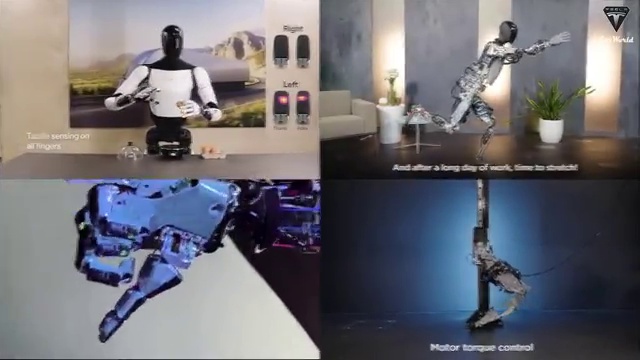
Humanoid robots face unique challenges that extend beyond mere movement. They must navigate complex environments, interact with objects, and adapt to unforeseen circumstances in real time. A service robot must not only walk but also see, hear, understand language, balance itself, recognize objects, control grip strength, avoid people, and react to unexpected situations. These demands highlight the critical need for advanced AI processing capabilities that can handle both visual and motor intelligence simultaneously.
AI5: Solving the Bottleneck in Robotics
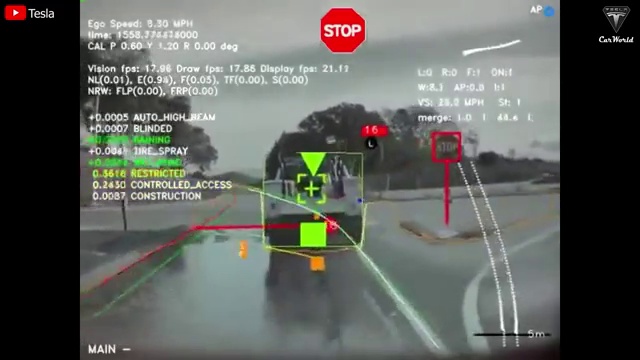
With AI5, Tesla aims to address the computational bottleneck in robotics by integrating powerful AI processing directly into the robot's system. Unlike self-driving cars, which require visual intelligence, humanoid robots need both visual and motor intelligence to function effectively. The AI5 chip's ability to process these dual demands in real-time is a game-changer, enabling robots to operate independently without relying on external networks. This local processing capability is essential for robots working alongside humans, ensuring immediate and reliable responses.
The Road to Production and Real-World Impact
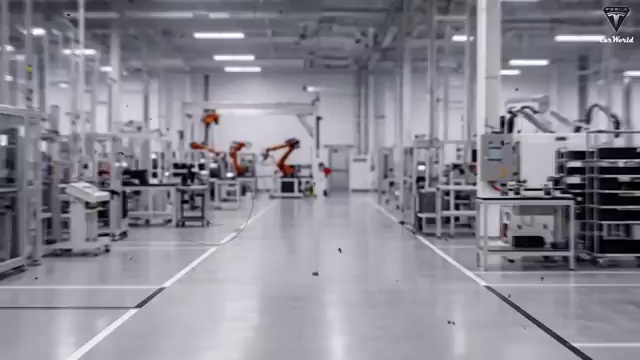
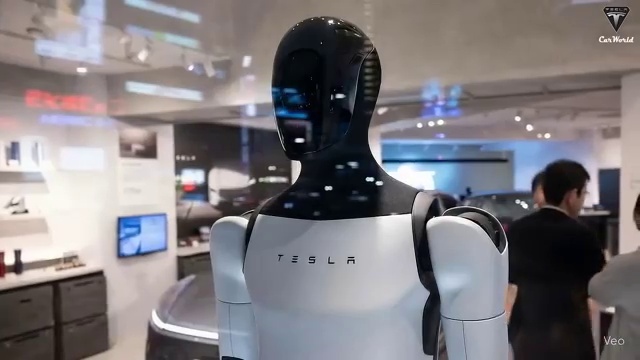
Tesla's completion of the AI5 chip tape-out process signifies that the chip design is finalized and moving into production with partners like TSMC and Samsung. This transition from concept to hardware marks a critical step towards making AI5 a reality. The real test for Optimus Gen 3 lies in its ability to operate in real environments with a low error rate, ensuring human trust and safety. As Tesla builds an ambitious production line and dedicated factory for Optimus, the potential for widespread adoption and impact grows exponentially.
Conclusion: The Future of AI-Powered Robotics
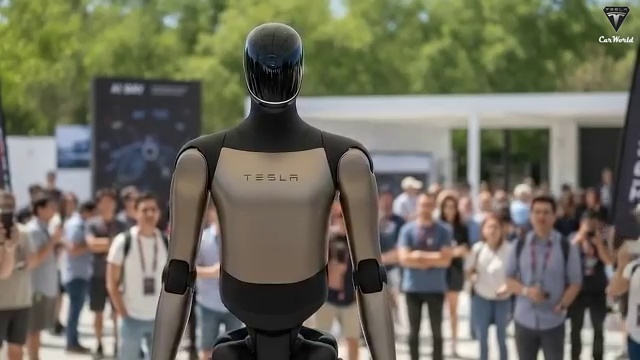
Tesla's AI5 chip represents a pivotal moment in the evolution of humanoid robotics. By integrating advanced AI processing directly into the robot's system, Tesla is paving the way for a new generation of AI-powered workforce machines. The success of Optimus Gen 3 will not only redefine the robotics industry but also set a new standard for real-world applications of AI technology.
Reported by: Tert Slamy
AI-Assisted Professional Journalism.