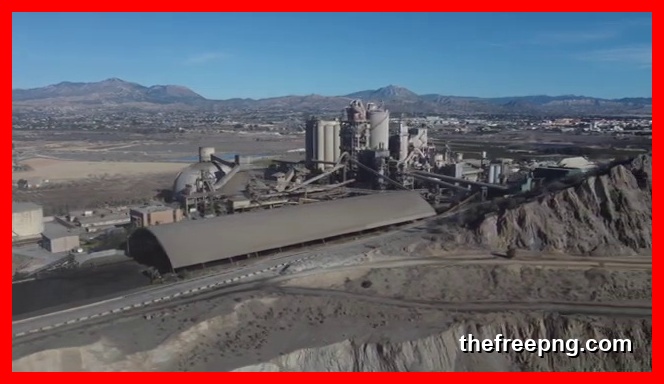
In this article, we explore the remarkable journey of cement, a material that underpins modern civilization. From towering skyscrapers to expansive bridges, cement is an invisible yet indispensable...
Editorial Team
April 5, 2026
4 min read
In this article, we explore the remarkable journey of cement, a material that underpins modern civilization. From towering skyscrapers to expansive bridges, cement is an invisible yet indispensable force in our built environment. But how did this versatile binding agent evolve to become the most widely used construction material in history? Let’s delve into the science, history, and significance of cement.
Cement is a fine powder that acts as a binding agent when mixed with water, forming a paste that hardens and gains strength over time. The most common type, Portland cement, derives its name from its similarity to Portland stone, a limestone quarried on England’s Isle of Portland. What sets cement apart is its hydraulic properties—its ability to set and harden even underwater. This unique characteristic stems from a chemical reaction called hydration, where cement particles react with water to form crystalline structures that bind sand, gravel, and other materials into durable concrete.
The production of cement begins with raw materials: limestone and clay. These are heated to extremely high temperatures, then ground into a fine powder. However, not all limestone is suitable. The ideal source contains approximately 75 to 80% calcium carbonate, with minimal impurities like magnesium or sulfur compounds that could compromise strength. Clay provides essential silica, alumina, and iron oxide, complementing the limestone’s calcium content. Manufacturers meticulously select and blend raw materials to ensure consistent chemical composition, often combining sources to achieve optimal ratios.
Ancient civilizations laid the groundwork for cement’s development. Around 2,000 years ago, the Romans discovered an early form of cement by mixing volcanic ash, lime, and seawater. This Roman concrete, known as Opus Columbium, exhibited exceptional durability, with many structures still standing today. However, this knowledge was lost during the Middle Ages. The modern era of cement began in the early 19th century when English bricklayer Joseph Aspdin patented a process to create hydraulic cement by heating limestone and clay. His innovation revolutionized construction, offering a reliable, strong, and versatile material that could be mass-produced.
Beyond limestone and clay, additional substances are introduced during production to modify cement’s properties. Gypsum, added during the final grinding stage, regulates setting time and prevents rapid hardening. Iron ore contributes iron oxide, acting as a flux to lower kiln temperatures. Silica sand supplements silicon dioxide when natural clay lacks sufficient quantities. Some manufacturers also incorporate industrial byproducts like fly ash or blast furnace slag, creating blended cements with enhanced performance and reduced environmental impact.
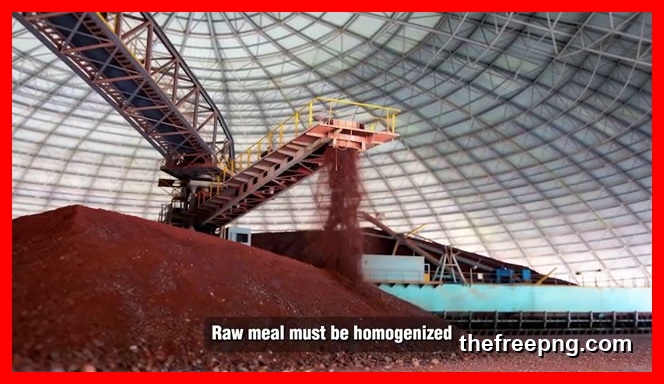
The preparation of raw materials involves crushing and blending to achieve precise proportions. Typically, the mix consists of 80% limestone and 20% clay, though ratios vary based on chemical composition. Modern plants use automated systems to monitor and adjust raw meal composition in real time. Two primary methods exist: the dry process, which is more energy-efficient and involves drying and grinding materials before kiln entry, and the wet process, which uses water to form a slurry for easier blending. While the wet process is less energy-efficient, it remains viable for high-moisture raw materials.
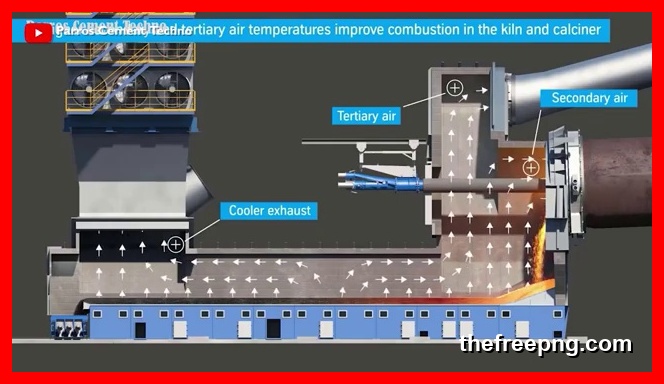
The kiln operation represents the most critical and energy-intensive stage. These massive cylindrical furnaces, often exceeding 200 meters in length, rotate slowly while internal temperatures reach approximately 1,450°C. As raw meal travels through the kiln, moisture evaporates, followed by decomposition of clay minerals and breakdown of calcium carbonate, releasing carbon dioxide. At temperatures above 1,250°C, materials partially melt and fuse through sintering, forming marble-sized nodules called clinker. These nodules contain the calcium silicates and aluminates responsible for cement’s binding properties.
Once clinker exits the kiln, it must cool rapidly to preserve its chemical structure and prevent unwanted crystal formation. Modern plants employ sophisticated cooling systems, such as air-cooled coolers, which reduce clinker temperature from 1,400°C to around 100°C within 20–30 minutes. Proper cooling is essential, as improper rates can yield inferior cement. After cooling, clinker undergoes final grinding in ball mills, where gypsum (3–5%) is added to regulate setting time. Without gypsum, cement would harden almost instantly, making it unusable. The grinding process continues until the cement achieves the desired fineness, measured by surface area per unit mass. Finer particles react more rapidly with water, developing strength faster, though excessive fineness increases costs without proportional benefits.
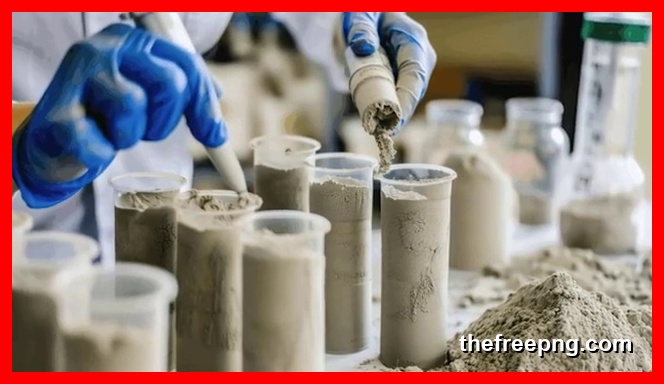
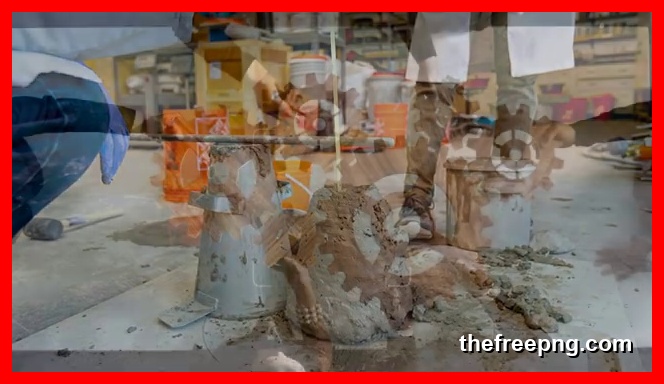
Quality testing ensures cement meets rigorous standards for chemical composition, fineness, setting time, and strength development. Laboratory technicians prepare mortar cubes using standardized ratios of cement, sand, and water, then test compressive strength after 3, 7, and 28 days of curing. Additional tests assess setting time, soundness, volume stability, and heat of hydration. Only after passing these evaluations does cement receive approval for packaging and distribution.
Modern cement production faces significant environmental challenges. The industry accounts for approximately 8% of global carbon dioxide emissions, primarily due to the calcination of limestone and kiln operations. Efforts to mitigate this include research into alternative cement formulations, carbon capture technologies, and more efficient production methods. Blended cements, incorporating materials like fly ash or slag, offer a sustainable solution by reducing reliance on traditional clinker.
The global cement industry produces over 4 billion tons annually, with China dominating output, followed by India, Vietnam, and the United States. This scale underscores cement’s fundamental role in construction and infrastructure development. However, the industry must balance growing demand from developing nations with the need for environmental sustainability.
Understanding cement production reveals the intricate interplay of geology, chemistry, and engineering that transforms ordinary rock into a cornerstone of modern civilization. From quarrying raw materials to the intense heat of rotary kilns, and from precise chemical reactions to meticulous quality control, every stage contributes to a product that must meet exacting standards for strength, durability, and consistency. The grey powder that emerges from this process may seem unremarkable, yet it represents centuries of technological refinement and scientific understanding. Whether viewed as a construction material or a testament to human ingenuity, cement’s legacy is a testament to the enduring power of innovation. Thank you for reading.
About TheFreePNG News
Your trusted source for breaking technology news, covering everything from smartphones and computers to industry leaders.